
Join the waitlist

About Vyllor

A letter from
our founder.

Vyllor began the way most solutions do: as a problem I could not stop thinking about.

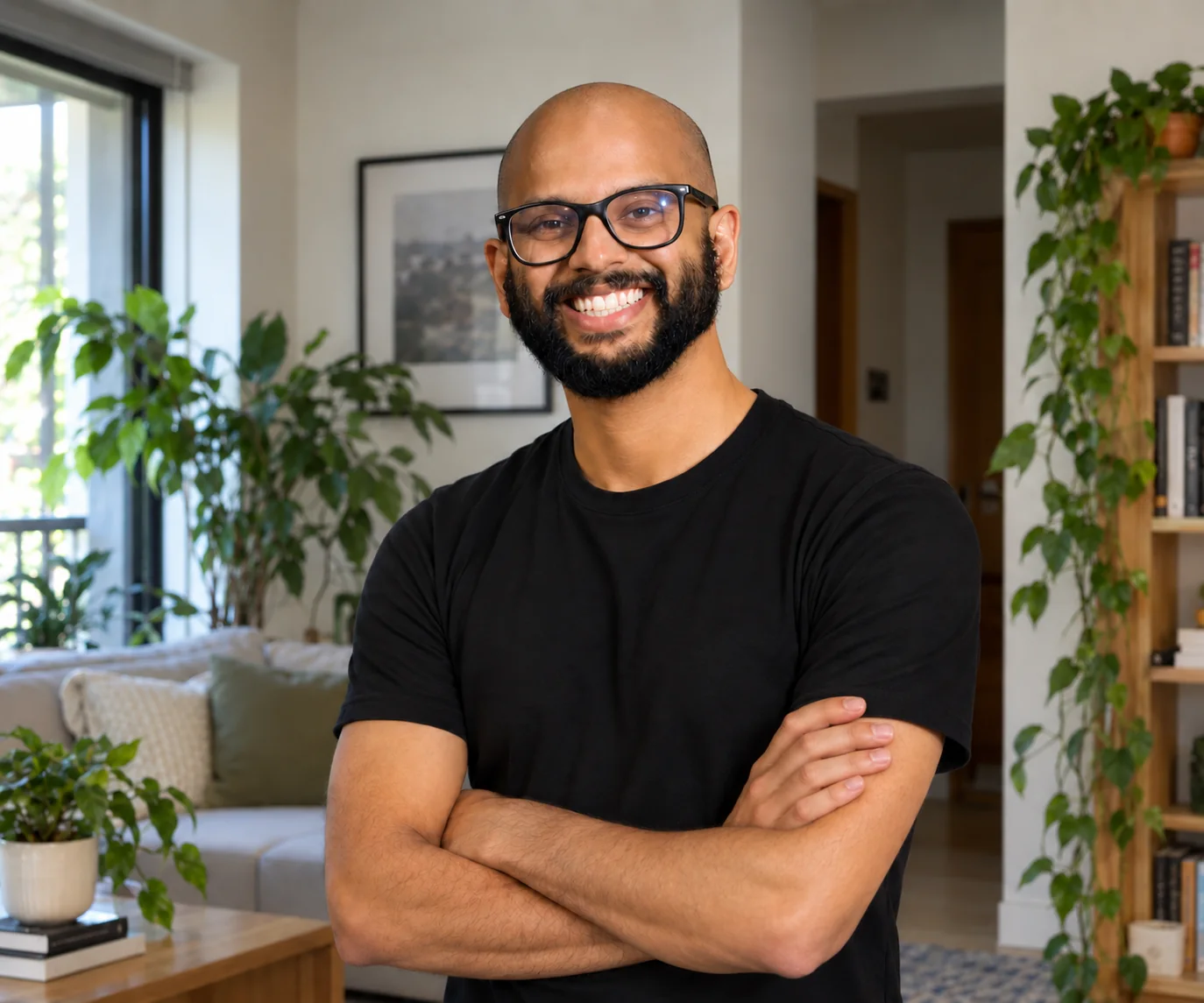
Dr. Miah · Founder

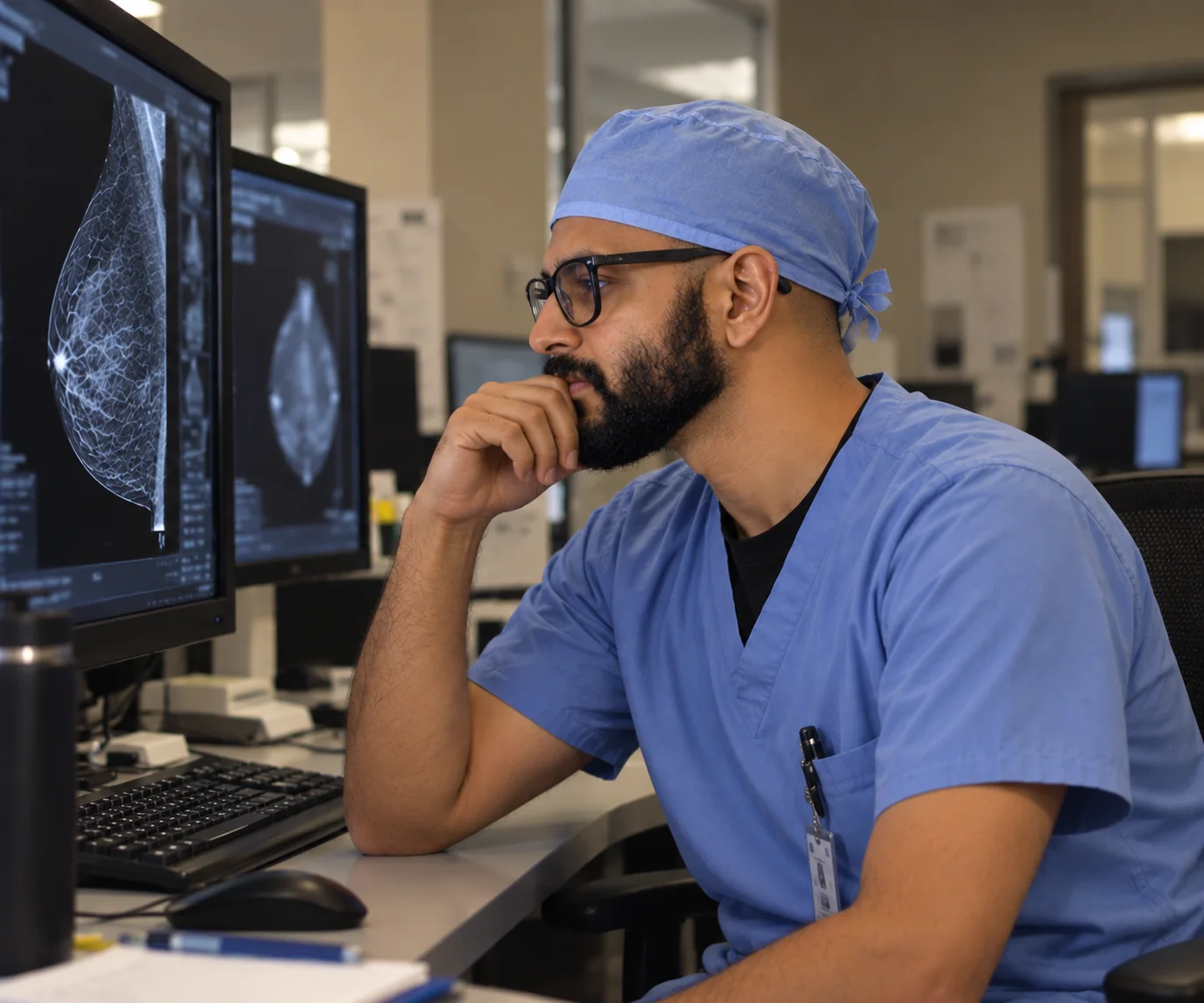
Dr. Miah reviewing diagnostic images
Dr. Miah · Reviewing diagnostic images

Where it began

“If we could not change the exposure, could we at least change what stood between it and the body?”

The rooms where Vyllor began are ordinary ones: operating rooms, imaging suites, and the conversations in between. What follows is the letter Dr. Miah wrote about them.

Dear Friends,

I never set out to start a company. Vyllor began the way most solutions do: as a problem I could not stop thinking about.

My name is Dr. Pabel Miah. As a breast cancer surgeon, the majority of my work involves being in the operating room, reviewing diagnostic images, and most importantly, interacting with patients. I am often asked by patients if mammography is safe because of the amount of radiation exposure. While the benefits of mammograms overwhelmingly outweigh the minimal risk, I did wonder what we can do as individuals to protect ourselves from any unnecessary radiation.

The idea I kept returning to

Radiation exposure does not hurt or announce itself, only the quiet accumulation of days, weeks, months, years, and ultimately, a lifetime.

I watched colleagues expose themselves in the operating room and radiology suites and wondered if we could be doing more.

I could not let go of this concept. Perhaps something could be done: not a promise of safety, but just something to be a little more careful about.
The turning point

The turning point was not dramatic; it was gradual. It was exhausting seeing the same problem. I remember that we as practitioners try to advise people to limit their exposure to radiation. However, it was not always within their control. The clinician cannot leave the room. The pilot cannot stop flying.

If we could not change the exposure, I asked, could we at least change what stood between it and the body? Could it be subtle and comfortable?

This is the whole reason Vyllor exists.

We decided, early and permanently, that we would say less than we could prove.

What we built, and how carefully

What followed was long, unglamorous, and full of dead ends: most early attempts were too heavy, too stiff, or simply not good enough to wear. We worked toward a base-layer garment that was lead-free, that came in under 180 grams, and that you could forget you had on. And we refused to put anything into the world that had not been verified by independent laboratories with no prior affiliation.

Lead-free
No heavy metals
<180g
Forget you have it on
Independent
Every result from other hands

What we will not promise you

So let me be as honest with you as I would be with a patient.

Vyllor is not medicine. It does not treat anything. It does not cure, prevent, or undo. It will not make you safe, and I will never tell you that it will. The day we say otherwise is the day you should stop trusting us. Anyone who promises you protection from everything is selling you false truths.

What Vyllor does is narrower and true. It attenuates scattered X-radiation and shields radiofrequency energy, each measured on its own terms. It is lead-free, lighter than you expect, and nothing will ship until hands that are not our own have tested it. That is the entire promise: small, complete, and honest.

From a problem to a company

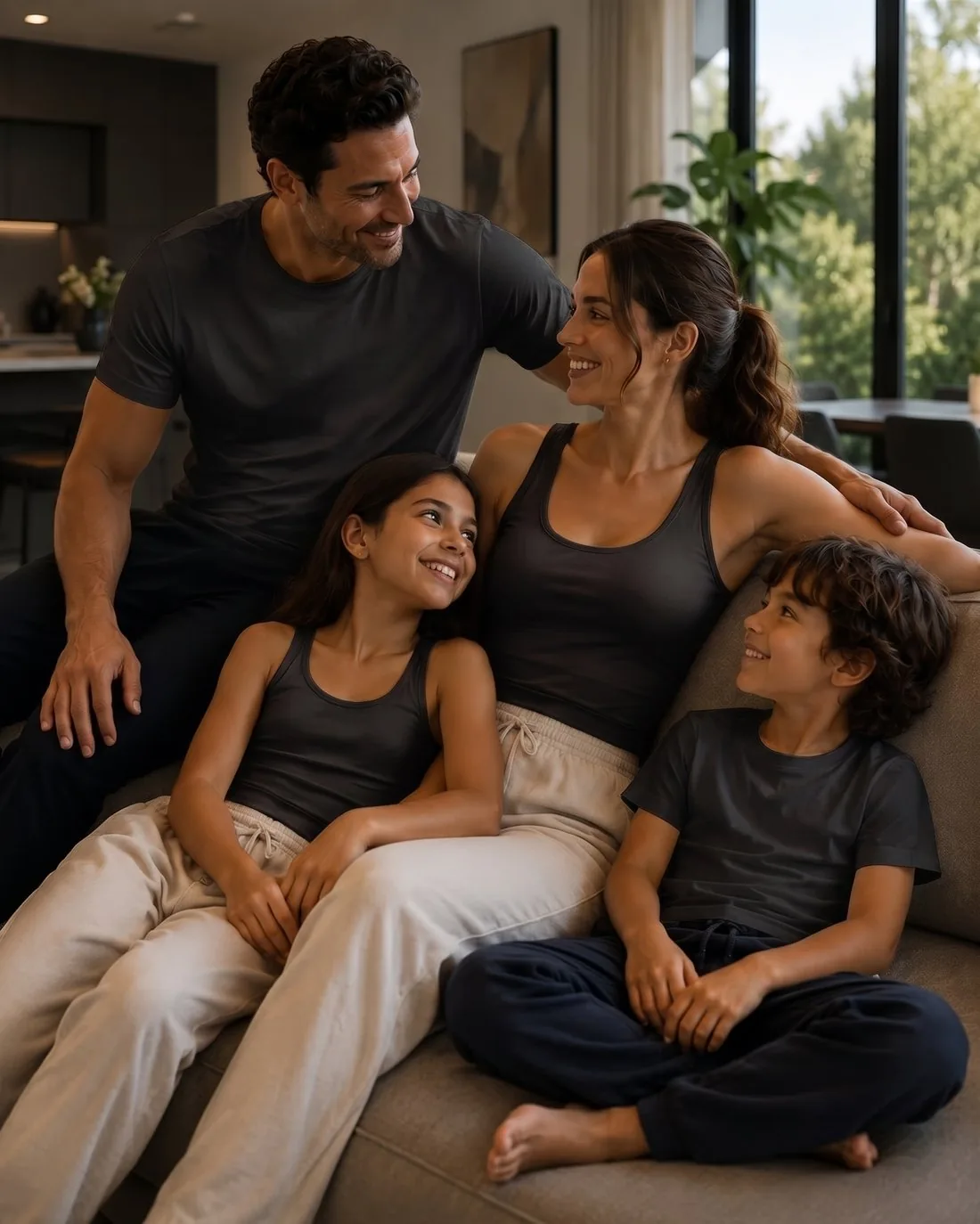
This started as a concern for the people closest to me. It became a company the moment I realized how many people carry the same quiet weight: the crews, the clinicians, the constant travelers, and the families who expose themselves knowingly and not.

I have come to believe that care is not always a cure. Sometimes it is an attempt to better our chances, offered plainly: not a guarantee, but a choice.

A family at home in Vyllor

Thank you for trusting us with that choice.

Less Exposed.

Dr. MiahFounder, Vyllor

Vyllor · We make no health claims

Dr. Pabel Miah

About the founder

Dr. Pabel Miah

Founder, Vyllor · Board-certified surgeon, breast surgical oncology

I am a board-certified surgeon with fellowship training in breast surgical oncology. I trained across New York, including Garnet Medical Center, Columbia University NewYork-Presbyterian, Memorial Sloan Kettering Cancer Center, and NYU Langone Medical Center. Today I bring that work to Houston as faculty at Baylor College of Medicine, treating breast cancer with cutting-edge techniques and researching ways to make breast cancer surgery better.

Training & faculty

  • Garnet Medical Center
  • Columbia · NewYork-Presbyterian
  • Memorial Sloan Kettering
  • NYU Langone
  • Baylor College of Medicine

The Pilot Drop

A choice, offered plainly.

600 units. Q4 2026. Reserve your place: one note when the Pilot Drop opens, nothing more.

Join the waitlist